Key takeaways
- Steel can be recycled repeatedly with no loss of strength or structural integrity, unlike concrete or timber.
- Over 85% of structural steel is recovered and recycled at end of life, supporting a circular construction model.
- Recycled steel performs identically to virgin steel structurally, so specifying it carries no performance penalty.
- This recyclability materially lowers the embodied and whole-life carbon of steel frame systems.
Why Steel Is the Most Recyclable Building Material
The Recyclability Advantage of Steel
Steel can be recycled repeatedly without losing strength or structural integrity. Unlike concrete or timber, which degrade over time, recyclable steel retains its performance, making it a highly sustainable choice for construction. BAS Frames uses steel sourced from trusted suppliers, ensuring high-quality, BS-certified components that can re-enter the production cycle after a building’s life ends.
Steel Frame Systems and the Circular Construction Economy
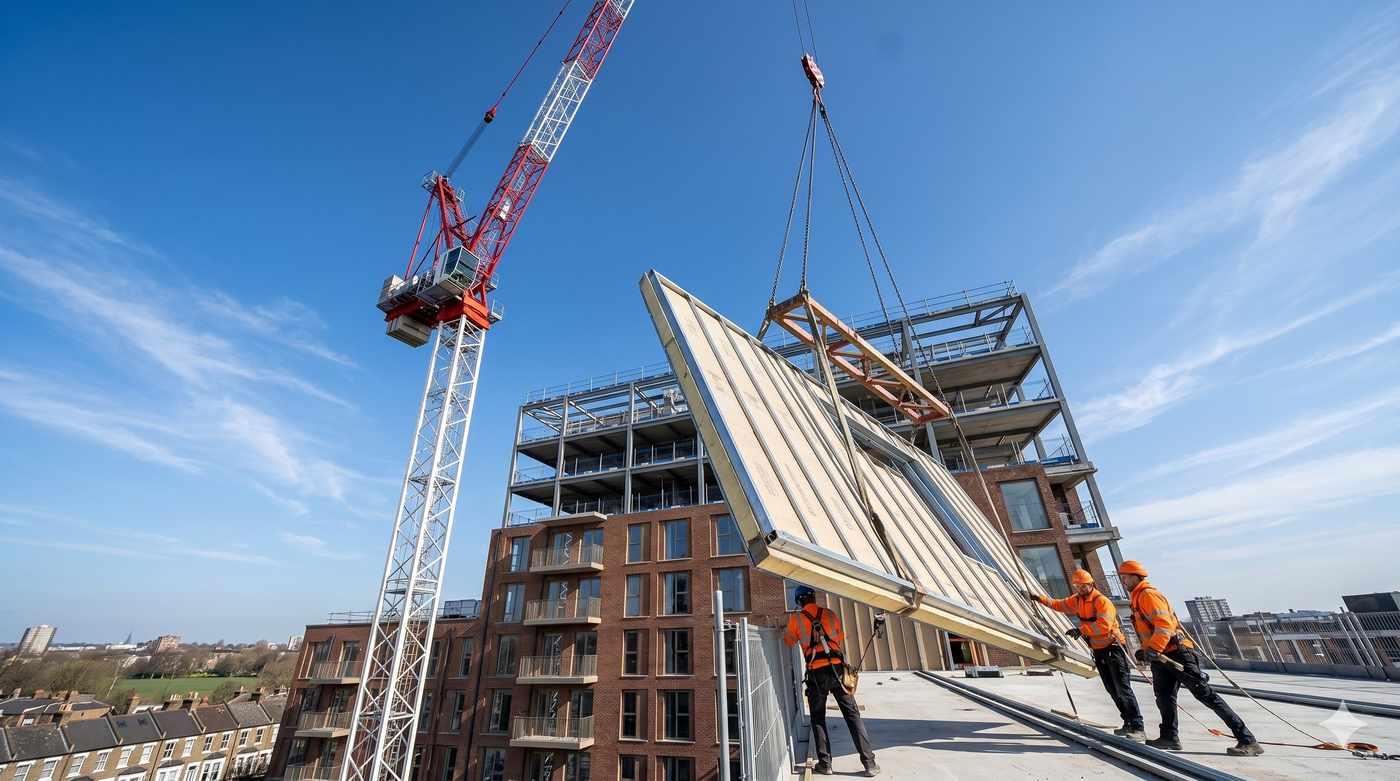
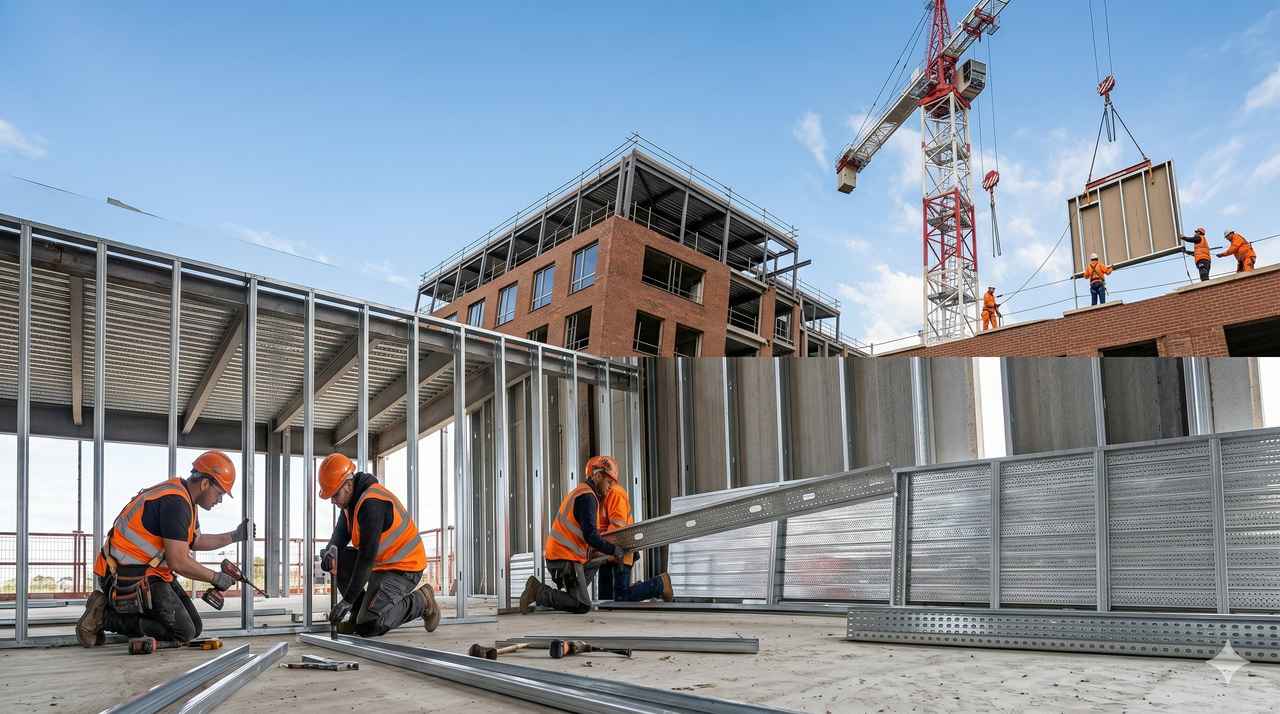
BAS Frames specialises in modular steel frame systems designed for efficiency, flexibility, and sustainability. Prefabricated and lightweight, these frames can be dismantled and reused with minimal waste, reducing landfill contributions and lowering carbon emissions. By choosing steel, projects contribute to a circular construction economy, where materials are continuously repurposed rather than discarded.
Steel frame systems also offer rapid on-site assembly, reducing construction time while maintaining precision and durability. Whether using standalone or panellised systems, BAS Frames ensures every project benefits from eco-friendly materials without compromising performance.
Economic and Environmental Benefits
Using recyclable steel reduces costs and resource use. Recycled steel is cheaper than virgin steel, and its durability reduces maintenance and replacement needs over the building lifecycle. Environmentally, recycling steel uses up to 75% less energy than producing new steel from raw ore, lowering greenhouse gas emissions and supporting sustainable construction targets.
Why BAS Frames Use Steel
At BAS Frames, our steel frame solutions are designed with sustainability and efficiency in mind. From full design support to supply and installation, our approach ensures buildings are fast, durable, and environmentally responsible. Incorporating steel into projects aligns with modern construction demands and demonstrates a commitment to a sustainable future.
Steel remains the most recyclable building material, making it essential to a circular construction economy. By choosing BAS Frames’ steel frame systems, clients invest in structures that are not only strong and versatile but also sustainable, reducing environmental impact while maximising long-term value
How much steel is recycled in the UK construction sector?
The UK construction sector recycles steel at a rate that significantly exceeds most other building materials. According to the Steel Construction Institute, structural steel sections have a recycling rate of over 99% at end of building life, and even cold-formed light gauge sections — the type used in Steel Frame Systems — are recovered and recycled at rates exceeding 85%. This compares favourably with concrete (typically 60–70% recycled, but downcycled to aggregate) and timber (partially recycled, partially landfilled or incinerated).
Globally, the World Steel Association estimates that over 650 million tonnes of steel are recycled annually — more than aluminium, copper, paper and glass combined. For developers and contractors under pressure to demonstrate ESG credentials and meet embodied carbon targets, specifying SFS over concrete alternatives contributes meaningfully to whole-life carbon calculations.
Does using recycled steel affect structural performance?
No — one of steel’s defining characteristics is that it can be recycled repeatedly without any loss of mechanical properties. Unlike many materials where recycling leads to downgrading (timber into chipboard, concrete into sub-base aggregate), steel recycled through an electric arc furnace emerges with the same tensile strength, yield strength and ductility as virgin steel. This means that the cold-formed steel sections used in SFS framing may themselves contain a significant proportion of recycled content — without any compromise to structural integrity or compliance with BS EN 10346.
Steel Frame Systems and the circular economy
Beyond recyclability, SFS construction supports circular economy principles in several ways. The bolted and screwed connections used in most SFS installations mean that frames can be disassembled rather than demolished — enabling steel sections to be recovered intact and reused in a new application rather than sent for remelting. This ‘design for disassembly’ approach is increasingly being mandated by planning authorities and institutional investors as part of whole-life carbon strategies.
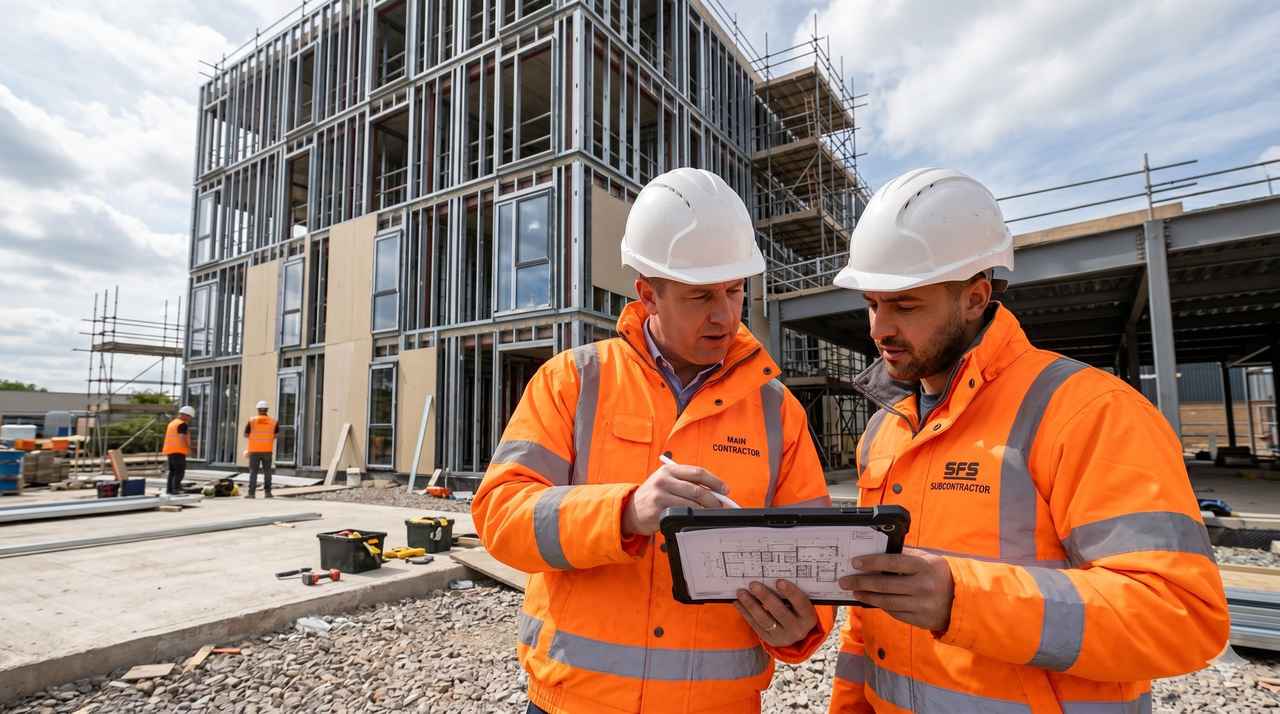
At BAS Frames, we work with design teams to ensure that SFS packages are detailed in a way that facilitates future adaptation and, where required, disassembly. Contact us to discuss how we can support your sustainability objectives on your next project.
Further reading:SCI Sustainability Guide | World Steel Association
Related:Cost | Infill | What Is | Fire
Frequently asked questions
Why is steel considered the most recyclable building material?
Steel is the most recycled material in the world — over 650 million tonnes are recycled annually. Unlike many materials, steel can be recycled repeatedly without any loss of mechanical properties. Cold-formed steel sections used in SFS construction can be melted down and reformed into new structural sections with the same strength and performance as virgin steel.
What percentage of SFS steel is recycled at end of life?
Cold-formed light gauge steel sections achieve recycling rates exceeding 85% at end of building life in the UK. When buildings are demolished, steel sections are separated from other materials and returned to the steel supply chain for remelting. This high recovery rate, combined with the value of scrap steel, makes steel recovery economically self-sustaining.
Does using recycled steel affect structural performance?
No — steel recycled through an electric arc furnace retains the same tensile strength, yield strength and ductility as virgin steel. The cold-formed steel sections used in SFS framing can contain significant recycled content without any compromise to structural integrity or BS EN 10346 compliance.
How does SFS contribute to embodied carbon reduction?
SFS contributes to embodied carbon reduction through high recycled content in steel production, recyclability at end of life, lighter weight (reducing foundation and primary structure carbon), and design for disassembly (enabling reuse rather than recycling). When assessed on a whole-life basis, SFS compares favourably with concrete alternatives on embodied carbon.