How Steel Shapes the Future of Modern Architecture
Steel plays a central role in transforming modern architectural design. A strong steel frame allows architects to create open spaces, taller structures, and flexible layouts that are both functional and visually striking. From steel beams and steel columns to advanced steel fabrication methods, this material supports innovation at every stage of construction. In the UK market, Bas Frames stands out as a specialist contractor that uses steel frames in London, delivering reliable steel-frame construction solutions for modern buildings. With its wide range of applications, steel continues to redefine how buildings are designed and built in growing cities.
The Role of Steel in Structural Innovation
One of the biggest advantages of steel is its ability to support complex designs. Steel frame construction allows architects to create large open interiors without relying on heavy internal walls. A steel frame can carry enormous loads using slim profiles, which creates more usable space and more design freedom.
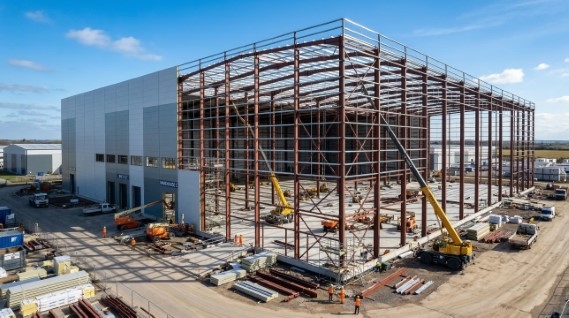
Steel beams and steel columns form the backbone of many modern structures. These steel components distribute weight evenly and provide long-term stability. In a steel framed building, the structure is not only strong but also adaptable, making future renovations and expansions much easier than in traditional wood framed buildings.
Types of Steel Used in Construction
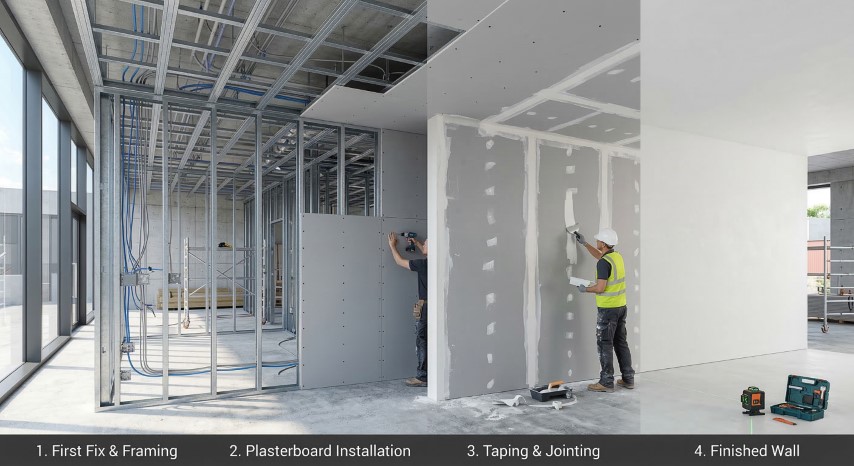
There is a wide range of types of steel used in architecture, each with specific benefits. Mild steel is commonly used because it is strong, affordable, and easy to work with. Rolled steel is often used for structural elements like beams and columns, while light gauge steel and light gauges are ideal for walls, ceilings, and partition systems.
Sheets of steel are used for cladding, roofing, and interior finishes, giving buildings a modern and industrial look. Many steel products are zinc coated, which protects them from corrosion and extends their lifespan, especially in outdoor environments and humid climates.
Steel Fabrication and Precision Design
Modern steel fabrication allows for extreme precision. Steel components are often manufactured off-site in controlled environments and then delivered to the construction site ready for assembly. This process improves quality control, reduces waste, and speeds up construction timelines.
Steel fabrication also supports customisation. Architects can design unique shapes, curves, and forms that would be difficult or impossible with traditional materials. This has made steel a key material in iconic architectural projects around the world.
Fire Safety and Performance at High Temperature
Safety is another major reason steel is trusted in modern architecture. Steel structures are naturally fire resistant when combined with proper fire protection systems. Special coatings and fire-resistant materials help steel maintain its strength even at high temperature levels.
Fire protection is a critical part of steel construction, especially in high rise buildings where safety standards are strict. With the right design and materials, steel frame structures can meet and exceed modern fire safety regulations.
Sustainability and Environmental Benefits
Steel is one of the most recyclable materials in the world. Old steel structures can be reused or melted down and reformed into new products without losing strength. This makes steel an environmentally responsible choice for sustainable construction.
Using steel in place of wood framed structures also reduces pressure on forests and natural resources. Lightweight systems like light gauge steel use less material while still providing excellent strength and durability.
Steel in Modern Urban Design
Urban architecture depends heavily on steel. Skyscrapers, bridges, stadiums, and commercial centres rely on steel beams and steel columns to support massive loads. Steel allows buildings to grow taller while remaining safe and stable.
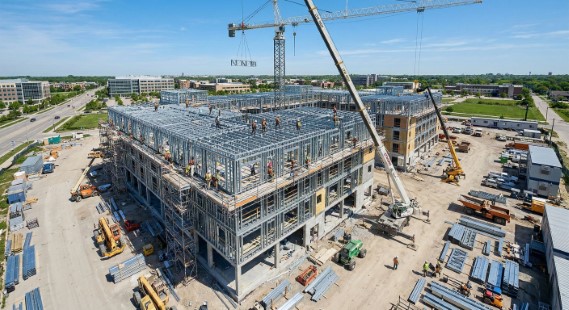
Steel frame systems also support fast urban development. Large projects can be completed quickly because steel structures are easier to assemble than traditional materials. This efficiency is critical in growing cities where time and space are limited.
Design Freedom and Aesthetic Appeal
Steel is not only functional—it is also visually powerful. Exposed steel components, industrial finishes, and minimalist structures have become popular design trends. Steel can be polished, painted, or left raw to create different visual effects.
Architects use sheets of steel, rolled steel, and custom-fabricated elements to create buildings that look modern, strong, and elegant. This balance of beauty and performance makes steel a favourite material in contemporary design.
The Future of Steel in Architecture
As technology advances, steel will continue to evolve. New alloys, improved zinc coated finishes, and smarter fire protection systems will make steel even more efficient and durable. Smart buildings and sustainable cities will rely heavily on steel for their infrastructure.
From small residential projects to massive steel framed buildings, steel remains a foundation of modern architectural design. Its strength, adaptability, safety, and sustainability make it one of the most valuable construction materials in the world.
In today’s architecture, steel is not just a material—it is a design enabler. It shapes skylines, supports innovation, and makes bold ideas possible. As cities grow and design demands increase, steel will continue to define the future of modern construction.