Case Studies: Flexible Steel Frame Designs in Practice
A Comprehensive Analysis of Steel Framing Systems (SFS) in Modern British Construction
The Engineering Behind SFS
SFS is a light-gauge, galvanised steel structural system. Unlike the heavy “hot-rolled” steel used for a building’s primary skeleton, SFS is “cold-rolled,” meaning it is shaped at room temperature. This process allows for incredibly high tensile strength while keeping the material lightweight and easy to manipulate on-site.
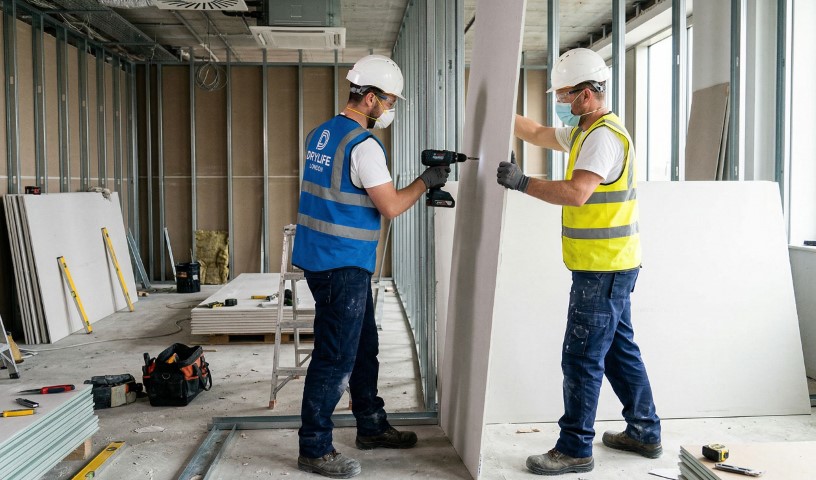
- C-Studs: These act as the vertical load-bearing members. They are engineered to resist lateral wind loads and provide the necessary support for internal and external finishes.
- U-Tracks: These horizontal channels are secured to the floor and soffit. They provide the “rail” in which the studs sit.
- Cleats and Brackets: Precision-engineered connectors that ensure the SFS is safely integrated into the primary structure.
Flexible Design Methodologies
The adaptability of SFS is its greatest asset. Depending on the structural requirements of the building, expert SFS contractors typically utilise one of three primary design configurations:
1. Infill Walling Systems
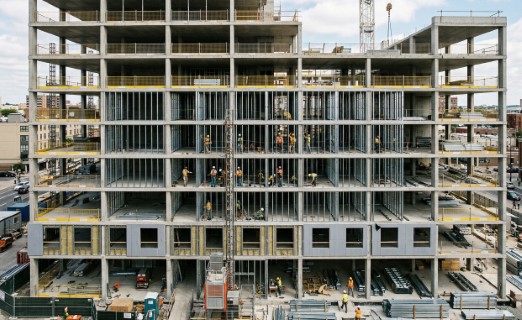
Infill is the most widely used SFS application. Here, the framing sits between the floor slabs and columns of the primary structure. It provides a flat, secure surface for external cladding and internal plasterboard. This method is highly favoured in multi-story residential blocks because it allows for “early dry-in,” where the building becomes weather-tight much faster than with traditional brickwork.
2. Continuous Walling (Oversail) Systems
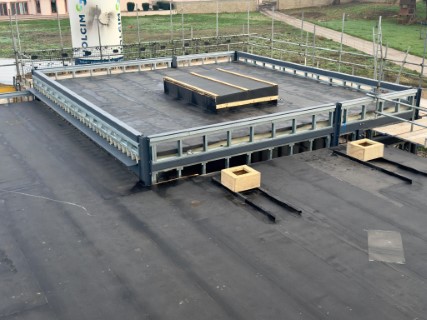
In an “oversail” configuration, the SFS is fixed to the outside of the primary frame, effectively bypassing the floor slabs. This is an ideal solution for buildings requiring a seamless external aesthetic or where thermal bridging must be minimised to the absolute limit. By “wrapping” the building in steel, architects can ensure a continuous layer of insulation.
3. High-Bay Walling
Specifically designed for internal partitions that require extreme height without intermediate support, High-Bay SFS is common in industrial units, cinemas, and shopping centres. These systems are engineered to provide superior fire ratings and acoustic insulation, often reaching heights of up to 20 meters.
The Advantages of SFS Over Traditional Masonry
Technical Performance: Fire, Sound, and Thermal
Modern building regulations in the UK (Part L, Part B, and Part E) demand rigorous performance standards. SFS is uniquely positioned to meet these through integrated design:
| Performance Category | SFS Benefit |
|---|---|
| Fire Resistance | Steel is non-combustible. When combined with specialised boards, SFS walls can provide up to 120 minutes of fire protection. |
| Acoustic Insulation | Multi-layer SFS partitions effectively dampen sound, essential for residential apartments and hotels. |
| Thermal Efficiency | The precision of SFS allows for airtight construction and the easy installation of high-R-value insulation. |
SFS in Practice: Case Studies
At BASF Frames, our portfolio demonstrates the versatility of steel. From urban residential towers to expansive commercial hubs, SFS provides the structural integrity required for diverse environments. One notable benefit highlighted in our case studies is the ability to work in constrained urban sites where large-scale material storage is impossible. SFS components are delivered “just-in-time” and assembled quickly, reducing the logistical footprint.
Conclusion: The Future of the Built Environment
As we look toward a future defined by sustainable, high-performance housing and infrastructure, Steel Framing Systems will continue to lead the way. Their combination of design flexibility, environmental responsibility, and structural reliability makes them an unbeatable choice for developers and architects alike.
Ready to integrate SFS into your next project? The team at BASF Frames offers the technical expertise to guide you from design to completion. Contact us today for a consultation on your project requirements.